Waiting for Perfect is an Excuse to Hold Yourself Back
Waiting for Perfect is an Excuse to Hold Yourself Back
Professional Development
Mar 5, 2023
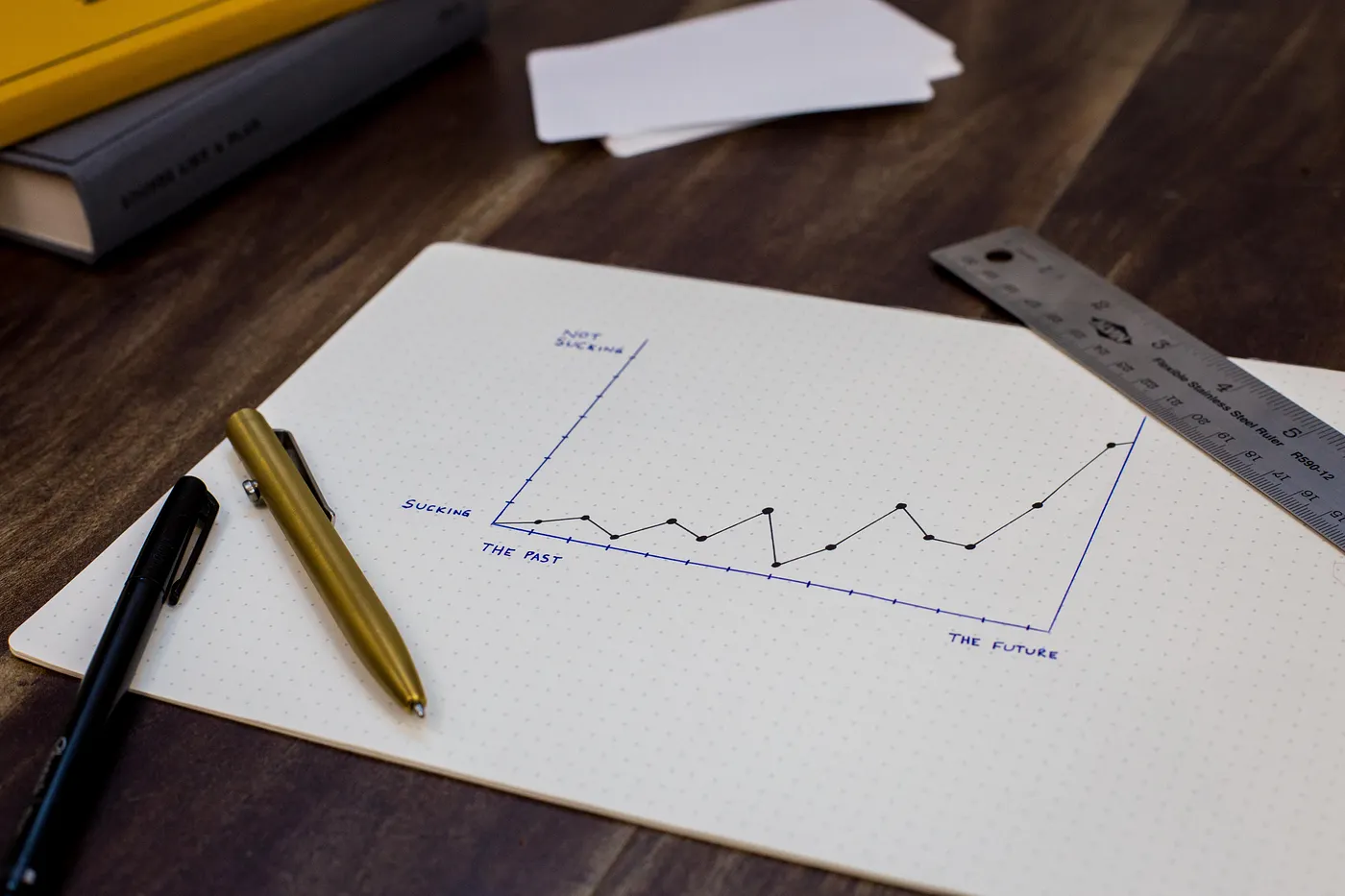
Have you ever felt like you would be lightyears ahead if you just had a little more help? Why is it that we have a tendency to focus on what we lack instead of what we have? Simply dreaming of having more money, better equipment, or more resources doesn’t serve us if we allow it to get in the way of progressing.
When I was just starting out as a videographer, I wanted to get the Canon 5D Mark 2 because all of the YouTubers I respected had one. But at the time, that camera cost more money than I had ever seen at once. Instead, I saved up a few of my McDonald’s checks and started with a $300 Nikon camera. It was horrible at shooting video, but decent at photography — so I picked up that skill.
I learned about lighting a scene with that camera because it was so horrible in low-light situations. I also learned about having backups on top of backups because the camera would overheat and shut off. Not long after, I was able to get some paid gigs under my belt and upgrade to an $800 Lumix. After that, I got the opportunity to film for a huge international speaker and upgraded to a $1900 Sony A7 camera.
Instead of waiting until I could afford the better piece of equipment to get my reps in, I made the most of what I had. I produced work that directly correlated to my experience at the time. I used my limited resources to slowly build on my skills, and in the end, I was much better for it.
This approach is not just relevant for bootstrapped entrepreneurs, but it can be applied to all areas of life. Whether you are starting a business, pursuing a creative project, or working towards a personal goal, starting with what you have and being resourceful can help you achieve success.
Here are some reasons why starting with what you have can be so powerful:
It builds resilience: When you start with limited resources, you learn to be creative and flexible. One of the biggest mistakes you can make at the beginning of your career is becoming bloated. High overhead and high startup costs will kill your career faster than anything else. Instead, challenge yourself to find unique ways of doing things, and to think outside the box to overcome challenges. This builds resilience and sets you apart from the dozens of other people who have the same fancy equipment.
It builds skills and experience: When you have limited resources, you learn to work with what you have, gaining valuable skills and experience along the way. These lessons will serve as case studies that you can leverage for bigger opportunities, or to pivot into something else. I learned how to move around a room and hold my camera completely steady because I couldn’t afford a 3-axis gimbal. Now, I can maneuver in tight spaces and take on impromptu gigs without worrying about extremely shaky footage. Foundational skills are transferable.
It builds confidence: Starting with what you have and making the most of it can also help to build your confidence. What most successful people will say is that they were never really ready for the next level. They just had the confidence in themselves to figure it out once thrown into the fire. When you see that you are able to achieve success with limited resources, it can give you the confidence to pursue bigger goals and take on greater challenges before you’re truly ready.
Now obviously you will eventually need to invest in yourself to execute at a higher level. However, even when you reach that point, the skills and experience you have gained along the way will keep you lean. Ignoring the perfect start, and just jumping into the game will leave you better equipped to take advantage of the resources you eventually acquire, and use them to their full potential.
More to READ
Waiting for Perfect is an Excuse to Hold Yourself Back
Waiting for Perfect is an Excuse to Hold Yourself Back
Professional Development
Mar 5, 2023
Have you ever felt like you would be lightyears ahead if you just had a little more help? Why is it that we have a tendency to focus on what we lack instead of what we have? Simply dreaming of having more money, better equipment, or more resources doesn’t serve us if we allow it to get in the way of progressing.
When I was just starting out as a videographer, I wanted to get the Canon 5D Mark 2 because all of the YouTubers I respected had one. But at the time, that camera cost more money than I had ever seen at once. Instead, I saved up a few of my McDonald’s checks and started with a $300 Nikon camera. It was horrible at shooting video, but decent at photography — so I picked up that skill.
I learned about lighting a scene with that camera because it was so horrible in low-light situations. I also learned about having backups on top of backups because the camera would overheat and shut off. Not long after, I was able to get some paid gigs under my belt and upgrade to an $800 Lumix. After that, I got the opportunity to film for a huge international speaker and upgraded to a $1900 Sony A7 camera.
Instead of waiting until I could afford the better piece of equipment to get my reps in, I made the most of what I had. I produced work that directly correlated to my experience at the time. I used my limited resources to slowly build on my skills, and in the end, I was much better for it.
This approach is not just relevant for bootstrapped entrepreneurs, but it can be applied to all areas of life. Whether you are starting a business, pursuing a creative project, or working towards a personal goal, starting with what you have and being resourceful can help you achieve success.
Here are some reasons why starting with what you have can be so powerful:
It builds resilience: When you start with limited resources, you learn to be creative and flexible. One of the biggest mistakes you can make at the beginning of your career is becoming bloated. High overhead and high startup costs will kill your career faster than anything else. Instead, challenge yourself to find unique ways of doing things, and to think outside the box to overcome challenges. This builds resilience and sets you apart from the dozens of other people who have the same fancy equipment.
It builds skills and experience: When you have limited resources, you learn to work with what you have, gaining valuable skills and experience along the way. These lessons will serve as case studies that you can leverage for bigger opportunities, or to pivot into something else. I learned how to move around a room and hold my camera completely steady because I couldn’t afford a 3-axis gimbal. Now, I can maneuver in tight spaces and take on impromptu gigs without worrying about extremely shaky footage. Foundational skills are transferable.
It builds confidence: Starting with what you have and making the most of it can also help to build your confidence. What most successful people will say is that they were never really ready for the next level. They just had the confidence in themselves to figure it out once thrown into the fire. When you see that you are able to achieve success with limited resources, it can give you the confidence to pursue bigger goals and take on greater challenges before you’re truly ready.
Now obviously you will eventually need to invest in yourself to execute at a higher level. However, even when you reach that point, the skills and experience you have gained along the way will keep you lean. Ignoring the perfect start, and just jumping into the game will leave you better equipped to take advantage of the resources you eventually acquire, and use them to their full potential.
More to READ
Waiting for Perfect is an Excuse to Hold Yourself Back
Waiting for Perfect is an Excuse to Hold Yourself Back
Professional Development
Mar 5, 2023
Have you ever felt like you would be lightyears ahead if you just had a little more help? Why is it that we have a tendency to focus on what we lack instead of what we have? Simply dreaming of having more money, better equipment, or more resources doesn’t serve us if we allow it to get in the way of progressing.
When I was just starting out as a videographer, I wanted to get the Canon 5D Mark 2 because all of the YouTubers I respected had one. But at the time, that camera cost more money than I had ever seen at once. Instead, I saved up a few of my McDonald’s checks and started with a $300 Nikon camera. It was horrible at shooting video, but decent at photography — so I picked up that skill.
I learned about lighting a scene with that camera because it was so horrible in low-light situations. I also learned about having backups on top of backups because the camera would overheat and shut off. Not long after, I was able to get some paid gigs under my belt and upgrade to an $800 Lumix. After that, I got the opportunity to film for a huge international speaker and upgraded to a $1900 Sony A7 camera.
Instead of waiting until I could afford the better piece of equipment to get my reps in, I made the most of what I had. I produced work that directly correlated to my experience at the time. I used my limited resources to slowly build on my skills, and in the end, I was much better for it.
This approach is not just relevant for bootstrapped entrepreneurs, but it can be applied to all areas of life. Whether you are starting a business, pursuing a creative project, or working towards a personal goal, starting with what you have and being resourceful can help you achieve success.
Here are some reasons why starting with what you have can be so powerful:
It builds resilience: When you start with limited resources, you learn to be creative and flexible. One of the biggest mistakes you can make at the beginning of your career is becoming bloated. High overhead and high startup costs will kill your career faster than anything else. Instead, challenge yourself to find unique ways of doing things, and to think outside the box to overcome challenges. This builds resilience and sets you apart from the dozens of other people who have the same fancy equipment.
It builds skills and experience: When you have limited resources, you learn to work with what you have, gaining valuable skills and experience along the way. These lessons will serve as case studies that you can leverage for bigger opportunities, or to pivot into something else. I learned how to move around a room and hold my camera completely steady because I couldn’t afford a 3-axis gimbal. Now, I can maneuver in tight spaces and take on impromptu gigs without worrying about extremely shaky footage. Foundational skills are transferable.
It builds confidence: Starting with what you have and making the most of it can also help to build your confidence. What most successful people will say is that they were never really ready for the next level. They just had the confidence in themselves to figure it out once thrown into the fire. When you see that you are able to achieve success with limited resources, it can give you the confidence to pursue bigger goals and take on greater challenges before you’re truly ready.
Now obviously you will eventually need to invest in yourself to execute at a higher level. However, even when you reach that point, the skills and experience you have gained along the way will keep you lean. Ignoring the perfect start, and just jumping into the game will leave you better equipped to take advantage of the resources you eventually acquire, and use them to their full potential.